

How Fermented Foods Support Gut Health Naturally. Gut health has become one of the most talked-about topics in nutrition—and for good reason. The digestive system does far more than process food.
It plays a vital role in immunity, mental health, energy levels, and overall well-being. One of the most natural and effective ways to support gut health is by consuming fermented foods.
Fermented foods have been part of traditional diets for thousands of years. Long before supplements and processed probiotics existed, people relied on fermentation to preserve food and improve digestion. Today, science is confirming what ancient cultures already knew: fermented foods are powerful allies for a healthy gut.
In this article, we’ll explore how fermented foods support gut health naturally, the science behind probiotics, the benefits for digestion and immunity, and the best fermented foods to include in your daily diet.
Understanding Gut Health
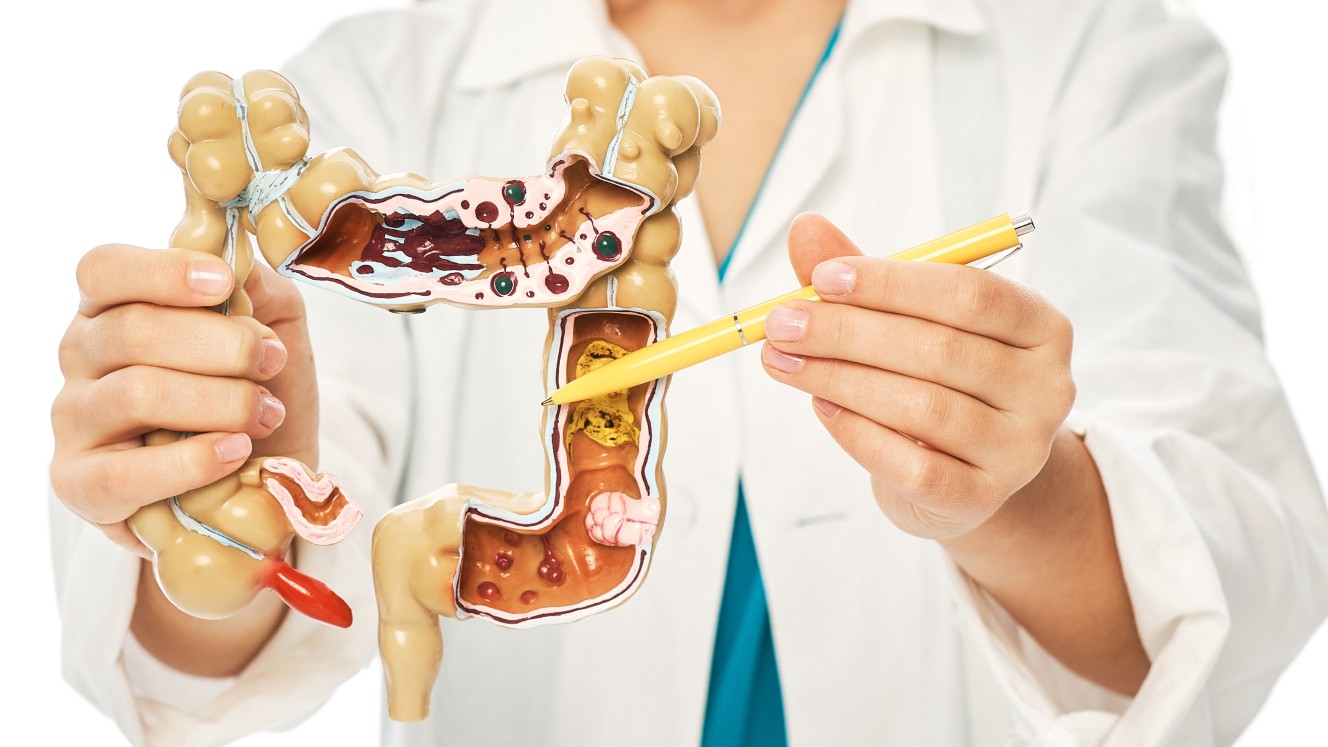
Gut health refers to the balance and function of microorganisms living in the digestive tract, collectively known as the gut microbiome. This ecosystem contains trillions of bacteria, fungi, and other microbes that influence nearly every system in the body.
A healthy gut microbiome helps:
- Break down food and absorb nutrients
- Regulate the immune system
- Protect against harmful bacteria
- Produce vitamins and beneficial compounds
- Communicate with the brain through the gut-brain axis
When the gut microbiome is balanced, digestion runs smoothly. When it’s disrupted—due to poor diet, stress, antibiotics, or illness—digestive issues and chronic health problems can arise.
What Are Fermented Foods?
Fermented foods are foods that have undergone a controlled microbial process in which natural bacteria, yeast, or molds break down sugars and starches. This process creates beneficial compounds like organic acids, enzymes, and probiotics.
Common fermented foods include:
- Yogurt
- Kefir
- Sauerkraut
- Kimchi
- Miso
- Tempeh
- Kombucha
- Sourdough bread
Unlike many processed foods, fermented foods are alive with beneficial microorganisms that actively support gut health.
The Role of Probiotics in Gut Health
One of the key reasons fermented foods are so beneficial is their high content of probiotics. Probiotics are live microorganisms that provide health benefits when consumed in adequate amounts.
How Probiotics Work
Probiotics support gut health by:
- Increasing beneficial bacteria in the gut
- Reducing the growth of harmful microbes
- Supporting digestion and nutrient absorption
- Strengthening the gut lining
- Reducing inflammation in the digestive tract
Unlike probiotic supplements, fermented foods offer a natural and diverse source of probiotics, often combined with prebiotics and enzymes that enhance their effectiveness.
How Fermented Foods Improve Digestion Naturally
One of the most immediate benefits of fermented foods is improved digestion.
Breaking Down Complex Nutrients
Fermentation partially breaks down carbohydrates, proteins, and fats before you even eat the food. This makes nutrients easier to digest and reduces digestive strain.
For example:
- Lactose is reduced in fermented dairy like yogurt and kefir
- Gluten is partially broken down in sourdough bread
- Complex fibers become more digestible in fermented vegetables
Supporting Digestive Enzymes
Fermented foods contain natural digestive enzymes that help the body process food more efficiently. This can reduce bloating, gas, and discomfort after meals.
Improving Nutrient Absorption
A healthy gut absorbs nutrients more effectively. Fermented foods improve the absorption of key minerals such as iron, calcium, magnesium, and zinc by reducing antinutrients like phytic acid.
Strengthening the Gut Barrier
The gut lining acts as a protective barrier between the digestive tract and the rest of the body. When this barrier becomes weakened, unwanted substances can pass into the bloodstream, contributing to inflammation and immune reactions.
Fermented foods help strengthen the gut barrier by:
- Supporting beneficial bacteria that maintain intestinal integrity
- Increasing the production of short-chain fatty acids
- Reducing inflammation in the gut lining
A strong gut barrier is essential for long-term digestive and immune health.
Fermented Foods and Immune System Support
Approximately 70 percent of the immune system resides in the gut. This makes gut health critical for immune defense.
Fermented foods support immunity by:
- Encouraging the growth of immune-regulating bacteria
- Enhancing antibody production
- Reducing inflammation and oxidative stress
- Helping the body respond more effectively to pathogens
Regular consumption of fermented foods has been associated with fewer digestive infections and improved immune resilience.
The Gut-Brain Connection
The gut and brain communicate constantly through the gut-brain axis. This connection means gut health can influence mood, stress levels, and mental clarity.
Fermented foods may support mental health by:
- Producing neurotransmitters like serotonin
- Reducing inflammation linked to anxiety and depression
- Supporting balanced stress hormone regulation
A healthier gut often translates to a calmer mind and improved emotional well-being.
Reducing Inflammation Through Fermented Foods
Chronic inflammation is linked to many digestive and metabolic disorders. Fermented foods contain bioactive compounds that help regulate inflammation naturally.
These compounds can:
- Lower inflammatory markers in the gut
- Improve immune tolerance
- Support metabolic health
By restoring microbial balance, fermented foods create an environment that discourages chronic inflammation.
Best Fermented Foods for Gut Health
Including a variety of fermented foods ensures exposure to different beneficial bacteria strains.
Yogurt
Yogurt contains live cultures that support digestion and help maintain a balanced gut microbiome. Choosing plain, unsweetened yogurt maximizes its benefits.
Kefir
Kefir is a fermented milk drink with a wider variety of probiotic strains than yogurt. It’s especially effective for improving digestion and restoring gut balance.
Sauerkraut
Fermented cabbage is rich in fiber, probiotics, and antioxidants. It supports digestion and strengthens gut bacteria diversity.
Kimchi
Kimchi contains beneficial bacteria along with garlic, chili, and vegetables that support immune and gut health.
Kombucha
This fermented tea provides probiotics and organic acids that support digestion and detoxification.
Miso
Miso is a fermented soybean paste that supports gut health while adding depth of flavor to meals.
Tempeh
Tempeh is a fermented soy product rich in protein and beneficial microbes, making it excellent for gut health and plant-based diets.
Fermented Foods vs Probiotic Supplements
While probiotic supplements can be helpful, fermented foods offer unique advantages.
Fermented foods provide:
- A wider variety of beneficial bacteria
- Natural enzymes and organic acids
- Better absorption and synergy with nutrients
- Whole-food nutrition rather than isolated strains
For many people, fermented foods are a more sustainable and effective way to support gut health naturally.
How to Add Fermented Foods to Your Daily Diet
Incorporating fermented foods doesn’t require a major diet overhaul.
You can:
- Add yogurt or kefir to breakfast
- Include sauerkraut or kimchi as a side dish
- Drink kombucha in moderation
- Use miso in soups or dressings
- Choose sourdough bread over regular bread
Start with small portions and gradually increase intake to allow your gut to adjust.
Are There Any Side Effects?
When first introducing fermented foods, some people may experience mild bloating or gas. This is usually temporary and a sign that the gut microbiome is adjusting.
People with certain medical conditions or weakened immune systems should consult a healthcare professional before consuming large amounts of fermented foods.
Why Fermented Foods Are a Natural Solution for Gut Health
Fermented foods work with the body, not against it. They restore balance rather than mask symptoms, making them a powerful natural tool for digestive health.
In contrast to highly processed foods, fermented foods support:
- Microbial diversity
- Digestive efficiency
- Immune regulation
- Long-term gut resilience
Conclusion
Fermented foods support gut health naturally by nourishing beneficial bacteria, improving digestion, strengthening the gut lining, and enhancing immune function. Their benefits extend beyond digestion, influencing mental health, inflammation levels, and overall vitality.
By regularly including fermented foods like yogurt, kefir, sauerkraut, kimchi, and kombucha in your diet, you can support your gut in a simple, time-tested way. These traditional foods offer a modern solution to many digestive challenges, proving that sometimes the most powerful health tools are also the most natural.