
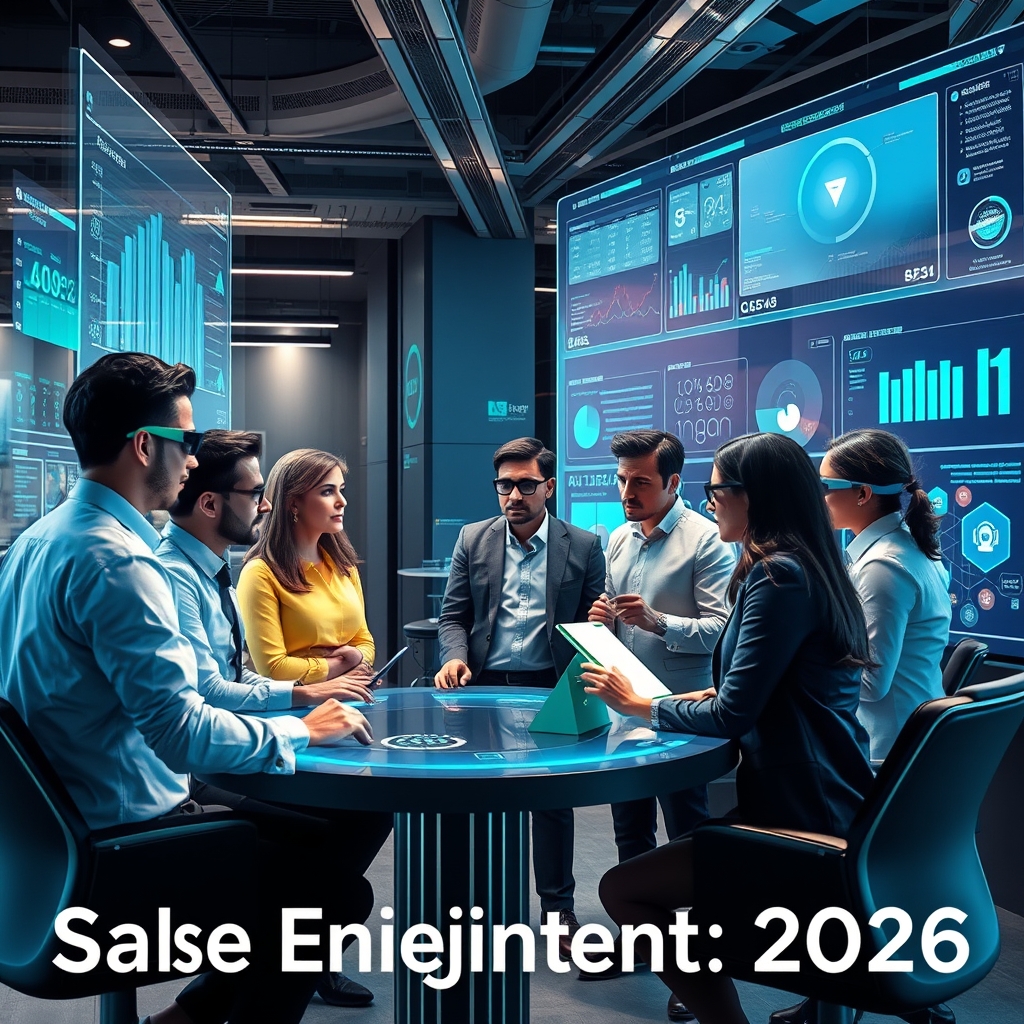
Sales enablement in 2026 is redefining how businesses engage customers, empower teams, and drive revenue growth. As technology evolves and buyer expectations shift, companies are adopting innovative strategies to stay ahead. Sales enablement now integrates artificial intelligence, data-driven insights, and hyper-personalized experiences to create seamless interactions. By 2026, this field is not just about equipping sales teams with tools—it’s about transforming entire sales ecosystems to be agile, predictive, and customer-centric.
In addition, the role of sales enablement has expanded beyond traditional boundaries. It now bridges marketing, sales, and customer success, ensuring alignment across departments. This holistic approach enhances collaboration, reduces friction, and accelerates deal closures. Furthermore, businesses are leveraging advanced analytics to measure performance in real time, allowing for quick adjustments and continuous improvement.
What Are the Top Sales Enablement Trends in 2026?
One of the most significant trends in 2026 is the rise of AI-powered sales assistants. These tools analyze customer interactions, predict buying behaviors, and recommend next-best actions. By automating routine tasks, sales teams can focus on building relationships and closing deals. Moreover, AI-driven insights help identify high-value leads, increasing conversion rates by up to 35%.
Besides AI, hyper-personalization is becoming a cornerstone of sales enablement. Buyers expect tailored experiences that address their unique needs and pain points. Companies are using dynamic content generation to deliver personalized messages at scale. This approach not only improves engagement but also shortens sales cycles. In fact, businesses adopting hyper-personalization report a 28% increase in customer retention.
How Is Data Shaping Sales Enablement Strategies?
Data is the backbone of modern sales enablement. In 2026, companies are harnessing real-time analytics to gain deeper insights into customer journeys. Predictive modeling helps sales teams anticipate objections and tailor their pitches accordingly. Furthermore, data-driven coaching tools provide personalized feedback to sales reps, improving their performance by 22%.
However, the sheer volume of data can be overwhelming. To address this, businesses are investing in unified platforms that consolidate data from multiple sources. These platforms provide a single source of truth, enabling teams to make informed decisions quickly. Additionally, they facilitate cross-functional collaboration, ensuring everyone is aligned on goals and strategies.
Which Tools Are Dominating Sales Enablement in 2026?
The sales enablement toolkit in 2026 is more sophisticated than ever. Conversational AI platforms are leading the charge, enabling real-time customer interactions through chatbots and virtual assistants. These tools handle inquiries, qualify leads, and even schedule meetings, freeing up sales reps for high-value tasks. Companies using conversational AI report a 40% reduction in response times.
Furthermore, sales engagement platforms are evolving to include advanced features like sentiment analysis and emotion detection. These capabilities help sales teams gauge customer interest and adjust their approach on the fly. Video-based sales tools are also gaining traction, allowing reps to create personalized video messages that resonate with prospects. This shift toward visual communication has led to a 30% increase in engagement rates.
How Are Companies Measuring Sales Enablement Success?
Measuring the impact of sales enablement initiatives is critical for continuous improvement. In 2026, businesses are focusing on key performance indicators (KPIs) like win rates, deal velocity, and customer lifetime value. Advanced dashboards provide real-time visibility into these metrics, enabling teams to track progress and identify areas for improvement.
Besides traditional KPIs, companies are also evaluating the effectiveness of their sales content. Content engagement metrics, such as open rates and time spent, help determine which materials resonate with buyers. Additionally, feedback loops from sales reps and customers provide valuable insights for refining content strategies. By 2026, 65% of businesses will prioritize content performance as a core sales enablement metric.
What Challenges Are Businesses Facing in Sales Enablement?
Despite the advancements, sales enablement in 2026 is not without challenges. One of the biggest hurdles is data privacy and security. With increasing regulations like GDPR and CCPA, companies must ensure compliance while leveraging customer data. This requires robust security measures and transparent data policies to build trust with buyers.
Another challenge is the integration of disparate tools and systems. Many businesses struggle with siloed data and fragmented workflows, which hinder collaboration and efficiency. To overcome this, companies are adopting integrated platforms that unify sales, marketing, and customer success functions. These platforms streamline processes and provide a seamless experience for both teams and customers.
FAQ: Your Sales Enablement News 2026 Questions Answered
What Is the Role of AI in Sales Enablement in 2026?
AI plays a pivotal role in sales enablement by automating tasks, providing predictive insights, and enhancing personalization. In 2026, AI-driven tools analyze customer data to recommend next-best actions, improving sales efficiency and effectiveness. These tools also enable real-time coaching, helping sales reps refine their skills and close more deals.
How Can Businesses Improve Sales Team Productivity in 2026?
Businesses can boost sales team productivity by leveraging AI-powered tools, unified platforms, and data-driven coaching. Automating routine tasks frees up time for high-value activities, while real-time analytics provide actionable insights. Additionally, personalized training programs help sales reps develop the skills needed to succeed in a competitive market.
What Are the Key Benefits of Hyper-Personalization in Sales Enablement?
Hyper-personalization enhances customer engagement, shortens sales cycles, and increases retention rates. By delivering tailored content and messages, businesses can address individual buyer needs and pain points. This approach fosters stronger relationships and drives higher conversion rates, making it a critical component of sales enablement in 2026.
Sales enablement in 2026 is a dynamic and evolving field, driven by technology, data, and customer-centric strategies. As businesses adapt to these changes, they will unlock new opportunities for growth and innovation. By embracing AI, hyper-personalization, and integrated tools, companies can stay ahead of the curve and deliver exceptional customer experiences. The future of sales enablement is here, and it’s transforming the way we sell.