

Top 10 Essential Tools for Every Home EV Mechanic’s Garage. The transition from Internal Combustion Engines (ICE) to Electric Vehicles (EVs) has fundamentally changed what it means to be a “home mechanic.”
In 2026, the grease-stained wrench and oil drain pan are being replaced by high-voltage insulated tools and AI-driven diagnostic scanners.
While EVs have fewer moving parts, the complexity of their electrical systems and the safety requirements of their high-voltage batteries necessitate a specialized toolkit.
If you are looking to future-proof your garage for DIY Tesla, Rivian, or Ford F-150 Lightning maintenance, here are the top 10 essential tools for every home EV mechanic in 2026.
1. Class 0 Insulated Tool Set (1000V Rated)
Standard metal wrenches and screwdrivers are a significant hazard when working near an EV’s high-voltage (HV) battery or inverter. In 2026, a high-quality set of VDE-certified insulated tools is non-negotiable.
These tools are coated with a dual-layer non-conductive material designed to protect you from shocks up to 1,000V AC or 1,500V DC. A basic set should include:
- Insulated pliers (needle-nose and lineman).
- A range of insulated screwdrivers (Phillips and Torx).
- Insulated sockets and ratchets.
- Open-end insulated spanners.
Always inspect the insulation for nicks or tears before use; if the bottom layer of a different color is visible, the tool must be replaced.
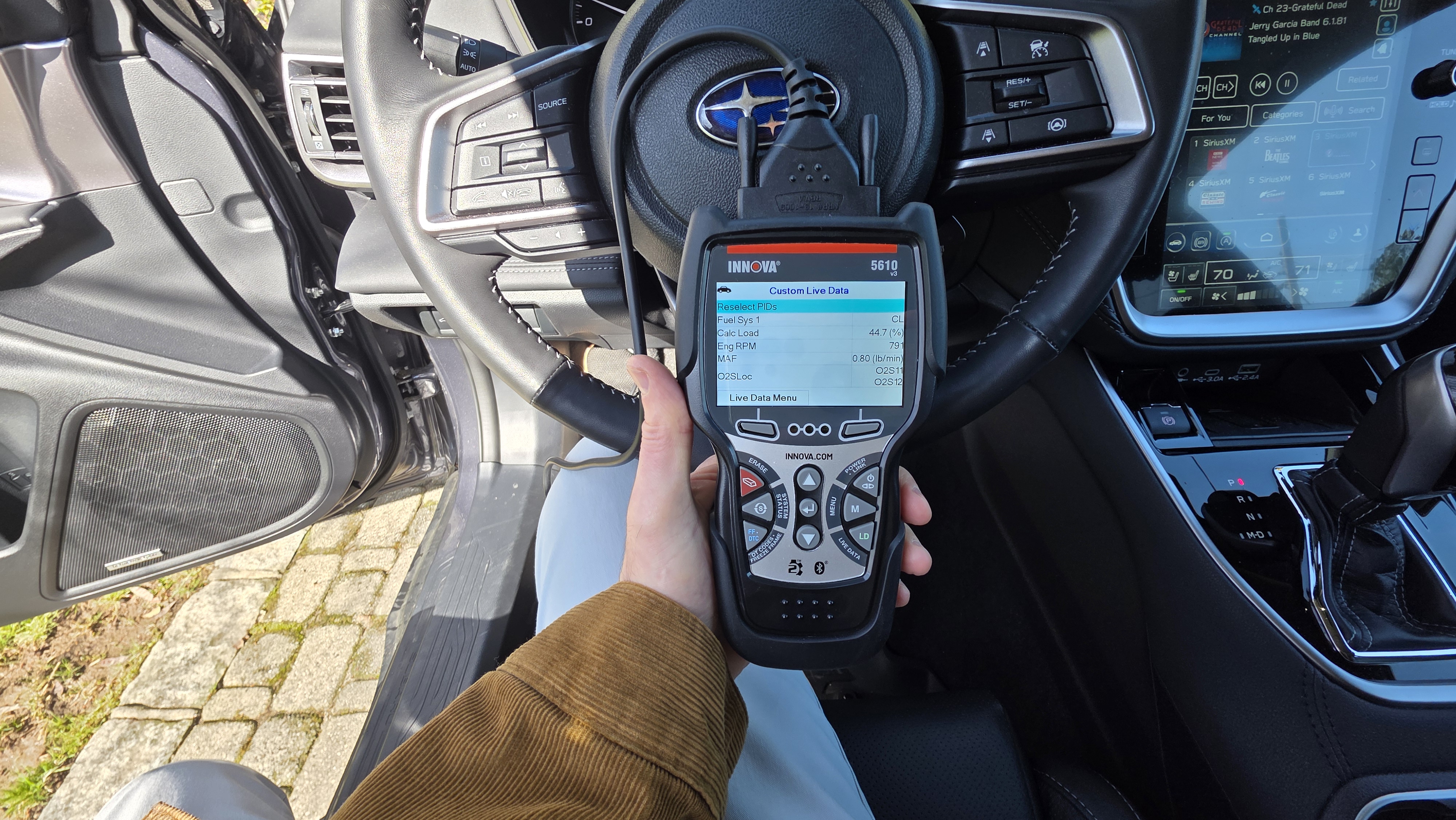
2. Advanced AI-Powered OBD-II Diagnostic Scanner
Home EV Mechanic’s are “computers on wheels.” While traditional scanners read engine codes, a 2026-spec EV scanner, like the XTOOL D8S or TOPDON TopScan Pro, offers much more. These tools utilize AI-assisted diagnostics to interpret complex battery management system (BMS) data.
For an EV mechanic, the scanner must support:
- Battery Health Reports: Calculating the State of Health (SOH) and cell voltage balance.
- Bidirectional Control: Allowing you to manually trigger coolant pumps or open charging ports for testing.
- Thermal Management Diagnostics: Monitoring the liquid cooling loops that keep the battery pack safe.
3. CAT III/IV Rated Digital Multimeter
A multimeter is your eyes into the invisible world of electricity. For EVs, a standard household multimeter won’t cut it. You need a Category III (up to 1000V) or Category IV (up to 600V) rated meter to safely measure the high-energy circuits found in modern electric cars.
The Fluke 115 or 1587 FC (which includes an insulation tester) are industry favorites. They allow you to verify that a system is truly de-energized before you begin work—a critical step in the “lockout/tagout” safety process.
4. Class 0 High-Voltage Insulated Gloves
Your first line of defense against accidental electrocution is a pair of Class 0 rubber insulating gloves. These are rated for 1,000V and must be worn whenever you are working on or near the orange high-voltage cables.
In 2026, the standard setup includes:
- Rubber Insulating Gloves: The electrical barrier.
- Leather Protectors: Worn over the rubber gloves to prevent punctures or abrasions.
- Cotton Liners: Worn inside for comfort and moisture wicking.
- Storage Bag: To keep the rubber from degrading due to UV light or ozone.
Note: In 2026, it is standard practice to perform an “air test” (rolling the glove to trap air) before every use to check for leaks.
5. Non-Contact Voltage Tester (NCVT) with Laser Distance
Before you even touch a component with a multimeter probe, an NCVT acts as a “proximity alert.” Modern 2026 versions, such as those from Klein Tools, often include laser distance measuring or built-in flashlights.
By simply holding the tip near an orange cable, the device will beep or flash if a live current is detected. This provides a fast, secondary layer of safety to confirm that the vehicle’s high-voltage service disconnect has successfully isolated the battery.
6. High-Lift Low-Profile Floor Jack & EV Jack Pads
Home EV Mechanic’s are significantly heavier than their gas-powered counterparts due to the massive battery packs mounted in the floor. A standard 2-ton jack often struggles with a 6,000-lb EV. You need a 3-ton or 4-ton low-profile high-lift jack.
Crucially, you must use EV-specific Jack Pad Adapters. Vehicles like Teslas have specific reinforced lifting points. Lifting an EV without these pads can result in catastrophic damage to the battery casing, which sits just millimeters away from the frame rail.
7. Insulation Resistance Tester (Megohmmeter)
Often called a “Megger,” this tool is used to test the integrity of the insulation on high-voltage cables. Over time, heat and vibration can cause the insulation on orange HV wires to degrade, leading to “isolation faults.”
A megohmmeter applies a high voltage to the cable (while it’s disconnected) to ensure no current is leaking to the vehicle’s chassis. In 2026, this has become a standard preventative maintenance tool for high-mileage EVs to prevent sudden “limp mode” errors.
8. Smart Torque Wrench
Precision is paramount in EVs. Components like the high-voltage busbars and battery terminal connectors must be torqued to exact specifications to prevent arcing or overheating.
A Digital Smart Torque Wrench provides haptic feedback (vibration) and an audible alert when the target is reached. Many 2026 models even log the torque data to a smartphone app, giving you a digital service record that your “critical fasteners” were tightened to factory spec.
9. Thermal Imaging Camera
Heat is the enemy of EV efficiency and safety. A compact thermal imager, like a FLIR One or a standalone Seek Thermal unit, allows you to “see” heat.
For the home mechanic, this is invaluable for:
- Identifying “hot spots” in the battery pack that indicate a failing cell.
- Finding clogged coolant lines.
- Checking for poor electrical connections (which generate heat before they fail).
- Verifying seat heaters and HVAC performance.
10. EV-Safe Fire Blanket and Rescue Hook
Safety in an EV garage isn’t just about what you wear; it’s about being prepared for the worst-case scenario.
- Insulated Rescue Hook: If a person is being shocked, you cannot touch them. An insulated hook allows you to safely pull them away from the electrical source.
- EV Fire Blanket: Lithium-ion fires are chemical fires that are notoriously difficult to extinguish. A specialized EV fire blanket is designed to be thrown over a vehicle to contain the heat and toxic smoke, preventing the fire from spreading to your home while you wait for emergency services.
Conclusion: The New Era of DIY
Maintaining an Home EV Mechanic’s electric vehicle in 2026 is a blend of traditional mechanics and high-tech electrical engineering. While you may no longer be changing spark plugs or timing belts, the precision required for battery and motor maintenance is higher than ever. By investing in these 10 essential tools, you transform your garage into a safe, professional-grade EV service center.
Always remember: If you are not comfortable working with high voltage, consult a certified EV technician. The orange cables are a warning for a reason.